
What helps a wall last and look right
Built for the job it does
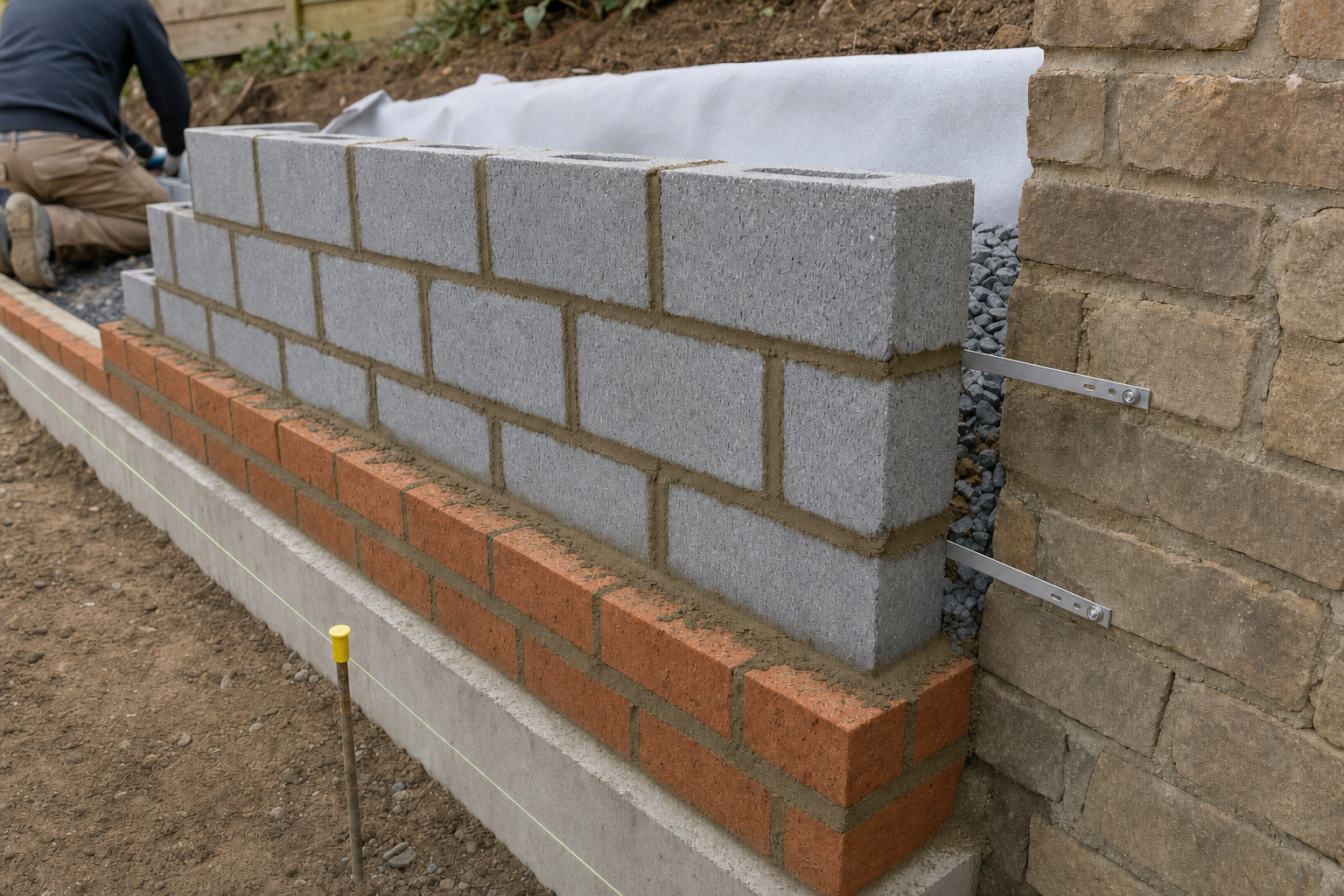
Retaining, privacy and decorative walls each need different structural thinking underneath.
Detailed for the weather
Copings, drainage and exposed edges are planned to resist the rain rather than invite it.
Matched to the property
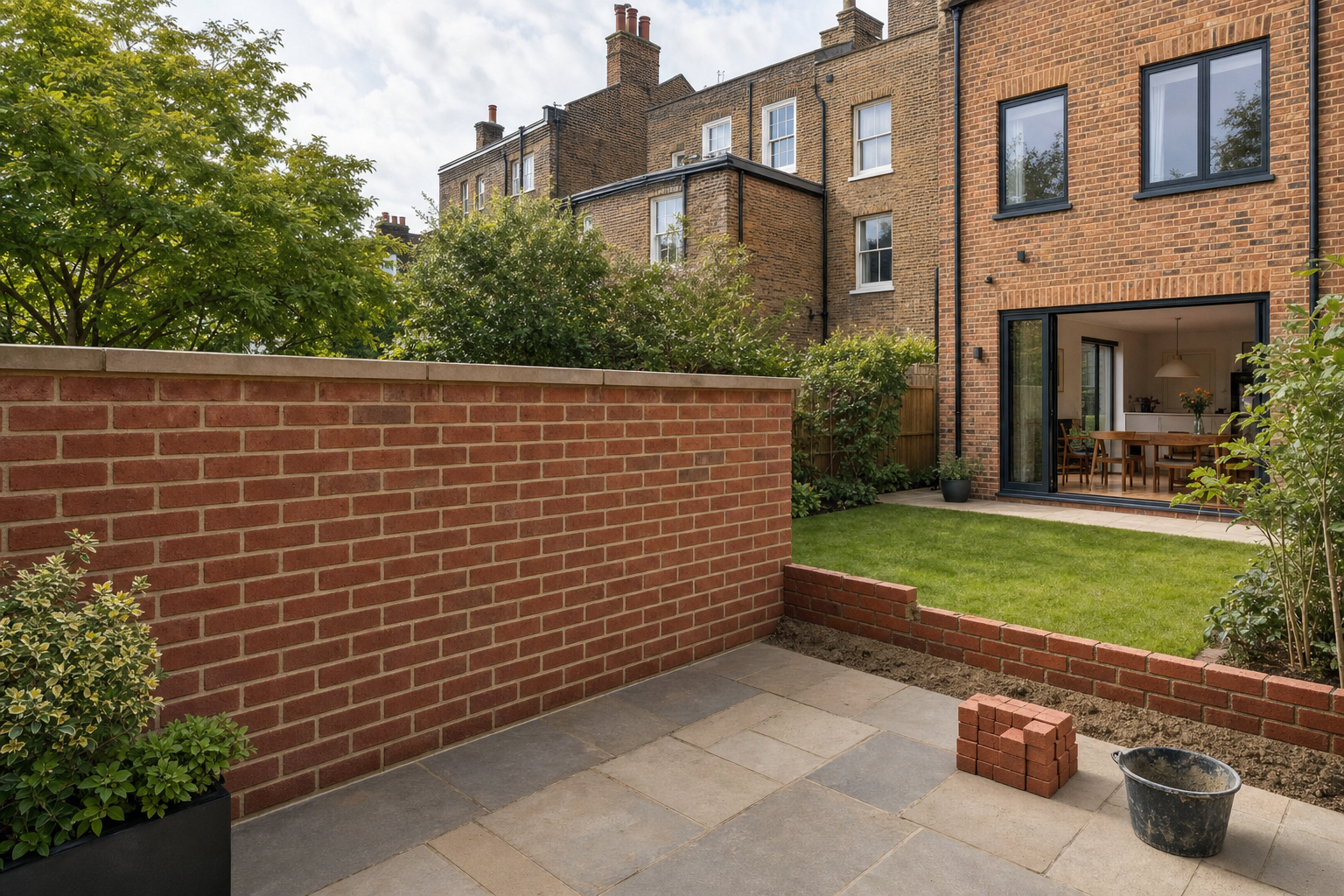
Brick choice and masonry style are considered so the new wall sits well with the house.
A garden wall needs to suit its real purpose
A garden wall can mark a boundary, create privacy, hold back ground or simply finish the front or rear of a property properly. The trick is building it for the job it actually has to do. A low decorative wall and a retaining wall live very different lives. When Envision Brickwork Ltd builds a wall on a London property, we start with function, height, ground level changes and how the wall ties into gates, paths and neighbouring structures. That makes the finished wall look right because it has been built for its position, not copied from a picture.
The base and detailing do the hard work
Foundations, wall thickness, piers, copings, reinforcement and drainage all depend on that purpose. With Envision Brickwork Ltd, we also look at brick and masonry selection in relation to the house and other garden materials, so the wall does not feel like an afterthought. If an older wall is leaning, broken or simply beyond patching, we can rebuild it in an orderly way, with the below-ground work and weather-resistant detailing done properly from the start.
Frequently asked questions
Does a retaining garden wall need drainage behind it?
It often does, because holding back ground brings extra pressure and water can make that pressure worse. The right detail depends on the site and the height involved, but retaining work should never be treated like a standard boundary wall with a bit of extra hope applied to it.
Can you replace an old wall that is leaning or cracked?
Yes, where rebuilding is the sensible answer. We look at whether the existing wall is failing because of the foundation, the wall thickness, ground pressure or general age. Replacing it in an orderly way usually gives a better long-term result than repeatedly patching a wall that has already lost its shape.
Can the new wall be matched to the house brickwork?
We can work towards a closer fit by looking at brick size, colour, joint style and the surrounding materials before work starts. Exact matches are not always possible, especially on older properties, but careful selection usually produces a far more settled result than choosing on colour alone.