
What a managed route does for your build
Brief turned into a buildable plan
We pin down layout, materials and technical needs before the site stage gathers pace.
Changes tracked as they happen
Variations are checked against the original scope so the job does not quietly drift.
Trades sequenced sensibly
Deliveries and dependencies are planned in order, which cuts avoidable hold-ups on site.
Fewer handovers, fewer loose ends
Larger building jobs drift when the drawings, structural advice, permissions and site work all sit in separate piles. A design and build service keeps those parts speaking to each other. When you come to Envision Brickwork Ltd with a London project, we begin with the brief: what you need from the space, how you want it to work, what materials suit the house and where the technical pressure points are likely to sit. That early sorting out saves a lot of expensive head scratching later, when changes are harder and the build is already moving.
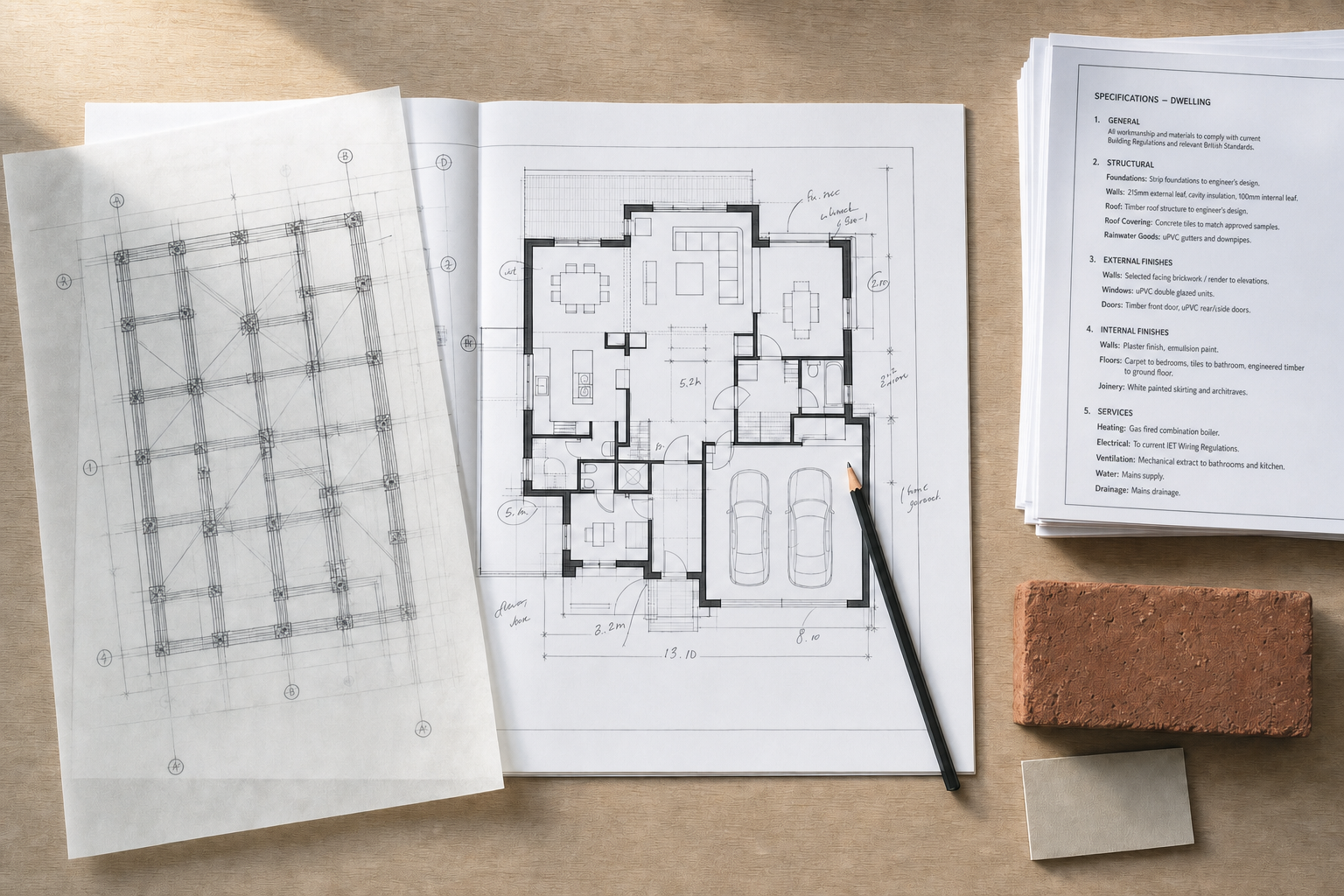

Managed around the order work needs to happen
From there, we can coordinate design information, structural input, building regulation requirements and the construction programme so deliveries, trade sequencing and key decisions happen in the right order. With Envision Brickwork Ltd, the job does not get treated as a stack of unrelated visits. We keep the agreed scope in view, flag changes as they arise and work towards clear milestones from early planning and site preparation through review stages and completion.
Frequently asked questions
Do we need finished plans before we get in touch?
Not always. An early conversation can help define the scope, the likely design work and the technical input needed. What matters is having enough information to start the discussion properly, rather than waiting until every last detail is perfect before picking up the phone.
How are changes during the project dealt with?
Changes are best handled against the agreed scope, programme and intended outcome, not as random site decisions. We keep that link in view so design updates, budget effects and knock-on programme changes are easier to understand while the work is live.
Can project management cover external works as well?
Yes, where those stages form part of the wider job. External masonry, roofing details, paving or other outside work often need to tie into the main construction programme, and it is usually far better when those links are considered early instead of tacked on later.